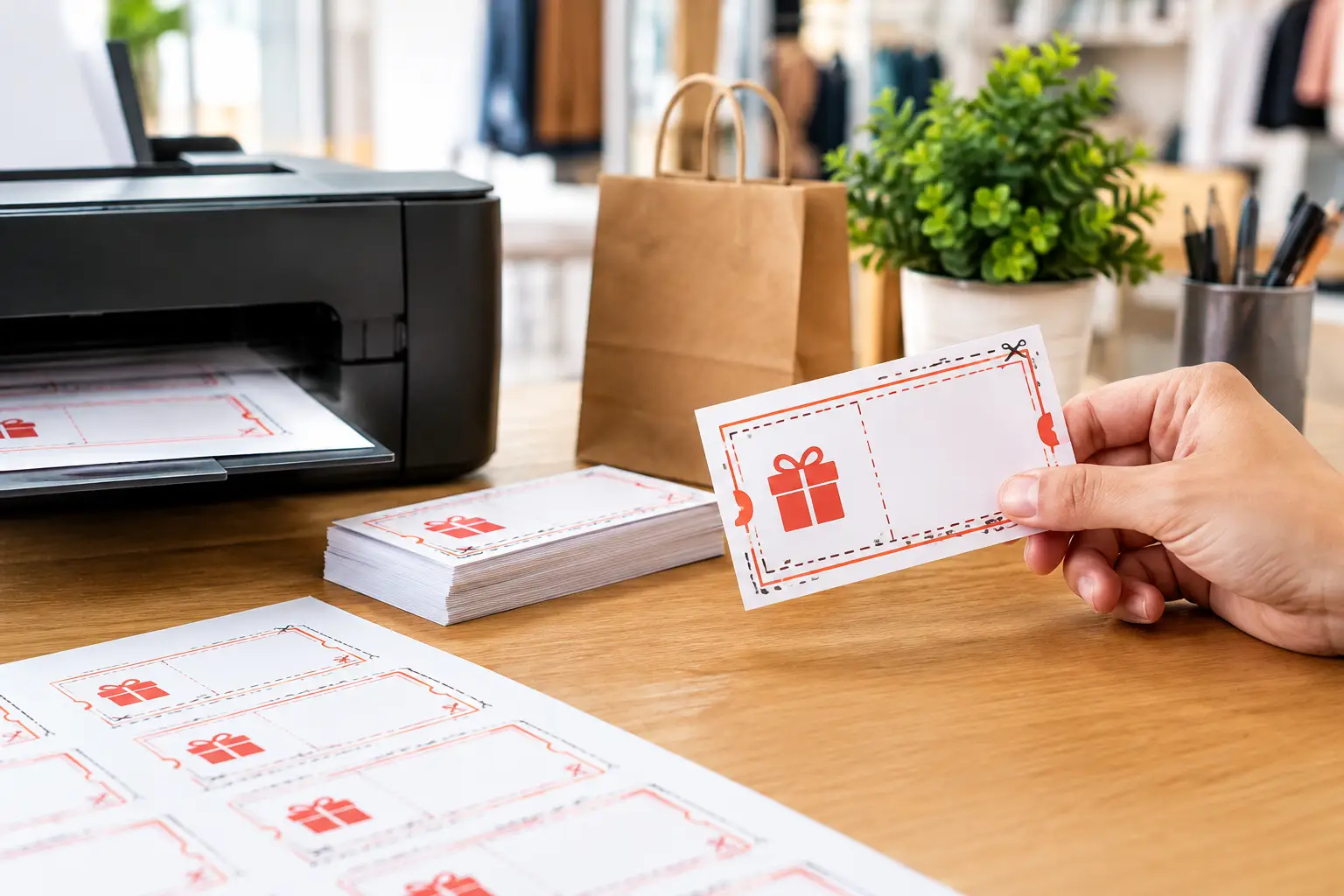
A coupon only works when customers notice it, understand it, and have a reason to act before it expires. The best coupon printing ideas do more than put a discount on paper. They turn a printed piece into a clear invitation to visit, call, book, or buy from your business.
For local businesses, printed coupons remain one of the most direct ways to reach nearby households and repeat customers. A well-produced offer can arrive in the mailbox, sit on a refrigerator, get handed to a friend, or travel in a wallet until the customer is ready to use it. The key is matching the offer, format, and distribution method to the action you want customers to take.
Start With an Offer Worth Keeping
The strongest coupon is not always the largest discount. A deep percentage-off offer may attract attention, but it can also cut too far into your margin or bring in customers who never return. In many cases, a specific offer is easier to understand and easier to measure.
A restaurant might promote a free appetizer with the purchase of two entrees. A salon can offer a first-visit service package. A home service company may use a dollar amount off a qualifying repair. Retailers can encourage a larger sale with an offer such as “$15 off purchases of $75 or more.” Each approach gives the customer a clear reason to spend while protecting the value of the business.
Keep the terms visible and reasonable. State the expiration date, any minimum purchase, whether the offer applies to new customers only, and any exclusions. Fine print should clarify the deal, not hide it. When customers feel misled, a coupon campaign can cost more in goodwill than it generates in sales.
Best Coupon Printing Ideas for Local Reach
1. Use oversized postcards for one clear offer
An oversized postcard gives your promotion room to breathe. Use the front for a strong headline, a high-quality image, and the value of the offer. Reserve the back for business details, redemption terms, and mailing information. This format works especially well for restaurants, retailers, fitness studios, real estate professionals, and seasonal service promotions.
For direct mail, the coupon should be readable at a glance. A homeowner should not need to search for the discount, the deadline, or your phone number. Large type and a clean layout often outperform a crowded design full of competing messages.
2. Add a detachable coupon to a flier
Fliers are useful when you need to explain more than one service or feature. A detachable coupon at the bottom gives the piece a practical purpose after the customer has read it. This is a smart choice for auto shops, contractors, dental offices, clubs, and event promoters.
Use a visible cut line and place the expiration date on the detachable section itself. If the offer is separated from the flier, the customer should still know exactly who it is from and how to redeem it.
3. Print bounce-back coupons on receipts or invoices
A new customer is valuable, but a returning customer is often more valuable. Include a bounce-back offer with invoices, receipts, or completed-service paperwork to encourage the next visit. A landscaping company could offer a discount on a future seasonal service. A print customer might receive an incentive for a repeat order by a certain date.
These coupons work because they reach people who have already chosen your business. The message can be simple: “Thank you for your business. Bring this coupon back by June 30 and save on your next purchase.”
4. Create referral coupons customers can share
Referral coupons turn satisfied customers into a local sales channel. Print two offers on one card: one for the current customer and one for the friend they refer. For example, the referring customer receives a credit after the new customer completes a purchase, while the new customer receives an introductory discount.
This format is particularly effective for service businesses where trust drives decisions, including salons, contractors, insurance offices, real estate teams, and professional services. Give each coupon a simple referral code so you can identify which customers are sending new business your way.
5. Match coupon size to where it will be used
A large postcard is ideal for mailboxes. A business-card-size coupon fits a wallet. A door hanger can place an offer directly at a neighborhood home, while a rack card can work well at a counter, lobby, or partner location.
Do not choose a format simply because it is familiar. Choose it based on how and where the customer will encounter the offer. If your audience is already visiting your store, handout coupons may be enough. If you need to build awareness in selected neighborhoods, direct-mail postcards or door hangers can create a more focused local presence.
6. Make seasonal timing do the selling
Coupons tied to a real seasonal need tend to feel more relevant. HVAC companies can promote tune-ups before extreme weather arrives. Tax professionals can mail offers before filing deadlines. Retailers can build coupons around back-to-school shopping, holiday gifting, or end-of-year clearance events.
The timing should allow customers enough time to respond. Mailing a winter service coupon after the first cold snap may miss the best opportunity. Plan print production, mailing lists, and postal delivery around the period when demand is likely to rise.
7. Give every campaign its own tracking code
A coupon code, offer number, or campaign name helps you measure results without making redemption difficult. Use a short code that staff can enter quickly, such as HOME25, SPRING10, or CARD42. If you run the same offer through mail, door hangers, and in-store handouts, assign a different code to each version.
Tracking tells you more than how many coupons came back. It shows which neighborhoods, formats, and offers produce the best customers. That information makes the next campaign more efficient and helps you spend your print and mail budget where it has the greatest return.
8. Use variable offers for different customer groups
Not every audience needs the same coupon. New residents may respond to an introductory offer, while past customers may need a reminder to return. Higher-value customers may respond better to a service upgrade than a small discount.
With a targeted mailing list, businesses can tailor the message by neighborhood, household type, purchase history, or distance from a location. The printed piece still feels personal and local, but the campaign is working harder behind the scenes.
9. Print a coupon book for repeat visits
A single coupon creates one opportunity. A small coupon book can create several. Coffee shops, car washes, fitness businesses, restaurants, and family entertainment venues can use multiple offers to reward repeat visits over time.
The offers do not all need to be identical. You might start with an introductory discount, follow with an upgrade offer, then provide a reward after several purchases. Make the redemption dates practical so customers have time to build a habit with your business.
10. Pair the offer with proof of quality
A coupon should not make your business look inexpensive in the wrong way. Professional printing, sharp color, readable typography, and quality paper support the value of what you sell. Include a brief point of proof near the offer, such as years of experience, a specialty service, local availability, or a customer benefit.
For example, a contractor could pair a repair discount with licensed service information and a clear service area. A restaurant could feature a signature dish. The offer gets attention, while the supporting message gives customers a reason to choose you over a competitor.
11. Design for fast staff redemption
Before printing thousands of coupons, walk through the redemption process with your team. Can an employee tell what the offer is in two seconds? Do they know whether it can be combined with other promotions? Is there a place to write a customer name or record a code if needed?
A confusing coupon slows down checkout and creates inconsistent customer experiences. Simple redemption instructions protect your promotion and help staff deliver good service when the customer is ready to buy.
12. Coordinate printing and mailing from the beginning
A coupon campaign can lose momentum when printing, list selection, addressing, and postal preparation are handled as separate projects. Plan the full workflow before the design is finalized. The size of the piece, mailing requirements, quantity, targeting, and delivery timing all affect the final result.
JR’S Handling helps Lancaster, Palmdale, and Southern California businesses coordinate professional coupon printing with mailing-list support, bulk-mail handling, and postal distribution. Working through one experienced team can reduce production delays and keep the campaign focused on reaching the right local audience.
Make the Coupon Easy to Act On
Every coupon needs one primary response method. If you want phone calls, make the phone number prominent. If you want store traffic, include the address, hours, and a simple location reference. If customers need to book an appointment, clearly state the next step and give the offer a reasonable deadline.
Avoid asking the customer to do too much. A coupon that requires a long form, multiple conditions, or a complicated online process may be ignored even when the discount is attractive. The best printed offer makes the next action feel easy and worthwhile.
A coupon is a small piece of paper, but it can carry a serious business goal: filling an appointment calendar, introducing a new service, bringing back past customers, or building neighborhood awareness. Give the offer a purpose, print it professionally, and put it in front of the right people. Give us a try today when you are ready to turn your next local promotion into a campaign built for response.