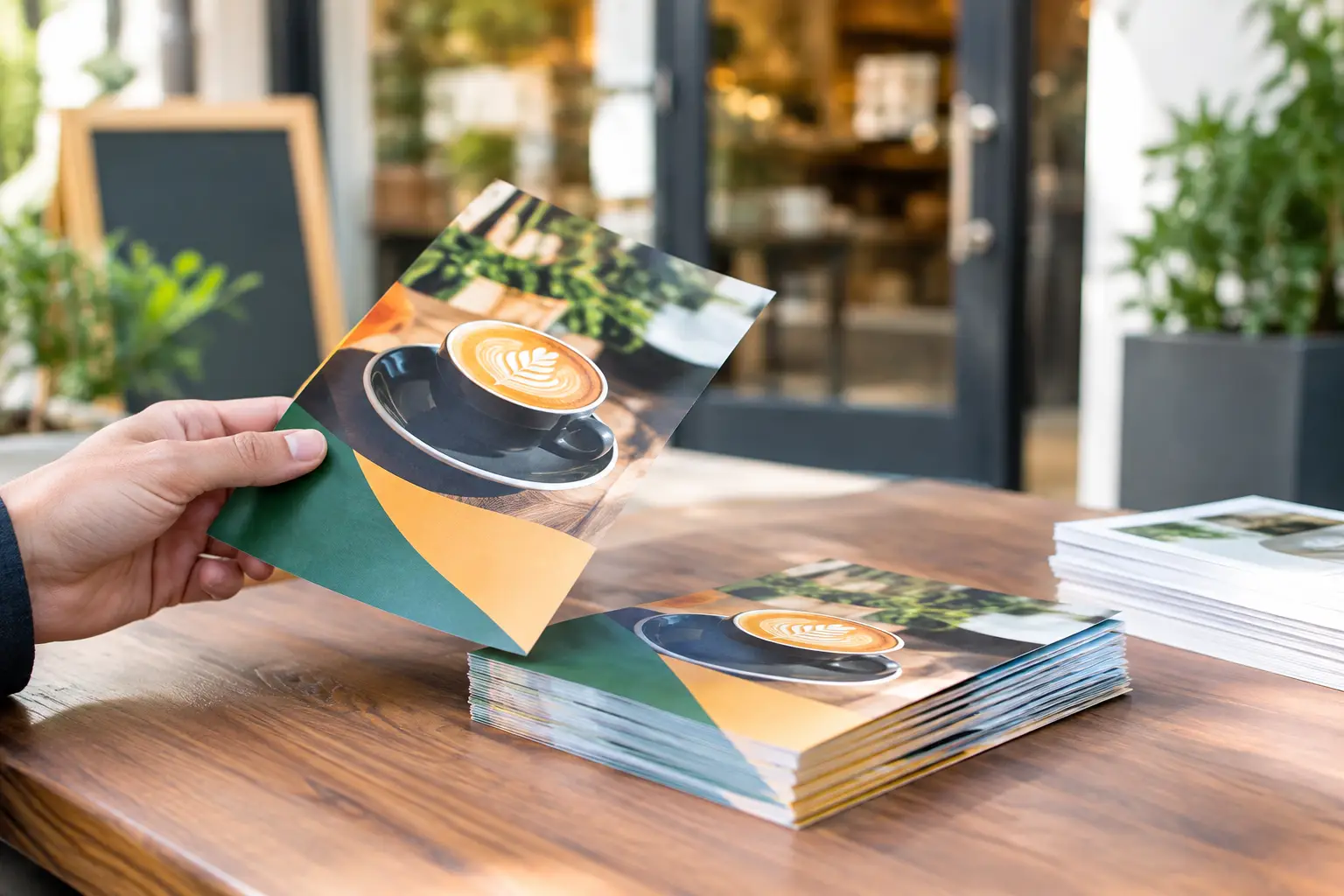
A postcard that arrives with a clear offer, strong color, and a useful reason to respond can still earn attention in a way a crowded inbox often cannot. The most effective print marketing trends are not about replacing digital marketing. They are about using physical materials more strategically to reach local customers, reinforce brand recognition, and give people something they can hold onto.
For businesses in Lancaster, Palmdale, and throughout Southern California, print remains especially valuable when the goal is local visibility. A roofing company can target neighborhoods after a storm. A real estate agent can introduce a new listing to nearby homeowners. A retailer can promote a limited-time offer within a defined delivery area. The difference is no longer simply printing more pieces. It is producing the right piece, mailing it to the right audience, and making the response easy to measure.
Print Marketing Trends Are Getting More Targeted
One of the biggest changes in commercial print and direct mail is the move away from broad, unfocused distribution. Businesses want their marketing dollars aimed at households and prospects that are more likely to need their services.
That can mean mailing by ZIP Code, carrier route, neighborhood, household income range, homeownership status, or other list criteria that fit the campaign. A plumber may focus on older residential areas. An event promoter may want to reach households near the venue. A business-to-business company may need a mailing list built around specific industries or job titles.
Targeting does not guarantee a sale, and narrower is not always better. A very small list can limit awareness, while an overly broad list can waste postage and print budget. The right approach depends on the offer, the service area, the average customer value, and how frequently the business plans to market. A reliable mailing partner can help balance reach and cost before the project goes to press.
Personalized Mail That Feels More Relevant
Variable-data printing allows elements of a printed piece to change from one recipient to another. Names, locations, offer codes, appointment reminders, and neighborhood-specific messages can be customized without creating a separate print run for every version.
Personalization works best when it adds real relevance. A postcard that says, “Palmdale homeowners: schedule your seasonal inspection,” is more useful than adding a name to a generic message with no clear benefit. Likewise, a retailer can use an offer code tied to a customer segment, while a service business can highlight the nearest location or a locally available service.
There is a practical trade-off. Personalized campaigns require clean data, careful proofing, and a clear plan for how the information will be used. If a list is outdated or fields are inconsistent, customization can create errors instead of credibility. Good list preparation and production review matter just as much as the design.
Postcards Are Staying Popular for a Reason
Postcards continue to be one of the most effective formats for local promotion because the main message is visible immediately. There is no envelope to open and no extra step before a customer sees the offer, phone number, website, event date, or service area.
Current postcard campaigns are often using larger formats, heavier stocks, full-color photography, and cleaner layouts with fewer competing messages. A crowded postcard can make a business look disorganized. A focused card with one primary offer and one strong call to action gives recipients a faster path to responding.
For many local businesses, postcards are also easier to repeat. A single mailing may introduce a company, but consistent campaigns build familiarity. The first card may be noticed. The second and third can create recognition. When a customer finally needs the service, the business that has stayed visible has a better chance of receiving the call.
Printed Pieces Are Working With Digital Response Tools
Print and digital marketing now work best when they support one another. A postcard, brochure, door hanger, or flier can direct customers to a landing page, online form, QR code, social media offer, or dedicated phone number. This gives businesses a more complete view of what happens after materials are distributed.
QR codes have become more common because they remove friction. A customer can scan a code to claim a coupon, view a menu, request an estimate, register for an event, or see available properties. The code should lead to a mobile-friendly page that matches the printed offer. Sending someone to a generic home page often loses the momentum created by the mail piece.
Tracking should stay simple enough to be useful. Use a campaign-specific phone number, promotion code, QR code, or response page. Ask new callers how they heard about the business. These steps help a company compare results between offers, mailing areas, and print formats without making the campaign difficult to manage.
Quality and Texture Are Part of the Message
As more business communication moves to screens, physical quality carries more weight. Paper stock, color accuracy, coating, fold quality, and finishing are not minor details when a printed piece represents the company in a customer’s hands.
A premium brochure can support a higher-ticket service. A sharp business card can make a stronger impression during a sales meeting. Well-produced invoices, letterhead, and envelopes help a company look established in daily customer interactions. Banners, yard signs, vehicle decals, and magnets extend that same professional look into the community.
That does not mean every project needs the most expensive paper or specialty finish. A high-volume coupon postcard may need to prioritize postal efficiency and clear messaging. A presentation folder for a financial professional may justify heavier stock and more refined finishing. The right materials should fit the purpose, audience, and budget.
Shorter Runs Make Timely Campaigns Easier
Businesses are increasingly using print for shorter, faster campaigns tied to a season, local event, sale, grand opening, or service window. Instead of ordering a large quantity of one generic item and storing it for months, they can update the offer, message, or design as conditions change.
This is particularly useful for event promoters, clubs, restaurants, real estate professionals, and service providers with seasonal demand. A spring yard cleanup offer, summer event flier, back-to-school promotion, or year-end customer appreciation mailer can be produced when it is most relevant.
Shorter runs do require planning. Last-minute artwork changes, incomplete mailing lists, and rushed approvals can create avoidable delays. A business that maps out key promotions in advance has more time to review proofs, select the right format, and coordinate postal distribution efficiently.
Direct Mail Is Becoming More Integrated
The strongest direct-mail campaigns are not treated as one isolated task. They connect to the rest of a business’s sales and marketing activity. The same offer may appear in a postcard, on a counter card, in a sales representative’s leave-behind brochure, and on a banner at a local event.
Consistency matters because people often need multiple impressions before they respond. Matching colors, logo use, message, and contact information across materials makes the business easier to remember. It also prevents a common problem: a customer sees a mail piece, then cannot tell whether the business they find online is the same company.
An integrated approach can be simple. A contractor might mail postcards to a selected neighborhood, place yard signs at completed jobs where permitted, hand out business cards during estimates, and use a dedicated offer code for follow-up calls. Each piece supports the others without requiring a complicated marketing department.
Sustainable Choices Are Becoming More Practical
Many customers appreciate responsible print choices, particularly when a business can explain them clearly without making unrealistic claims. Recyclable paper stocks, efficient print quantities, updated mailing lists, and properly sized pieces can reduce unnecessary waste while keeping campaigns effective.
The most practical sustainability decision is often better planning. Mailing fewer irrelevant pieces, avoiding outdated inventory, and choosing a format that communicates the offer clearly are good for the budget as well as the environment. Businesses should focus first on producing materials people are likely to keep, use, or act on.
What Local Businesses Should Prioritize Next
The useful lesson behind these print marketing trends is straightforward: printed marketing performs better when it is intentional. Start with a defined audience, one clear offer, and a response method that can be tracked. Then choose the format that fits the job, whether that is a postcard campaign, brochure, door hanger, business card, banner, or recurring customer communication.
For businesses that need printing and mailing handled together, coordinating production, mailing lists, bulk-mail preparation, and postal distribution through one experienced provider saves time and reduces missed details. JR’S Handling has more than 34 years of direct-mail postcard marketing experience to help local businesses turn practical campaign ideas into finished materials that reach the right people.
Your next printed piece does not have to do everything at once. Give customers one good reason to notice, one easy way to respond, and a professional impression they will remember.