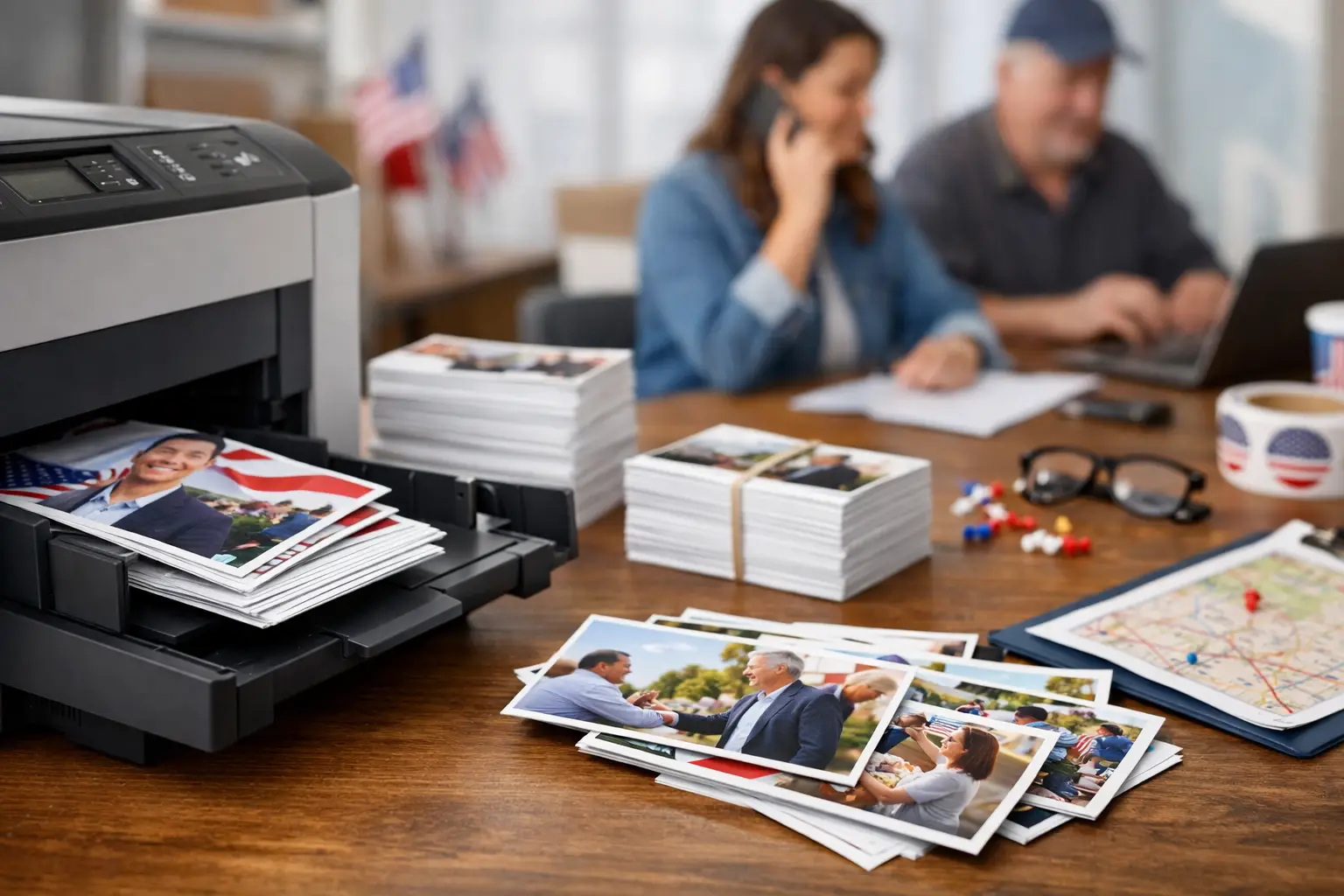
A postcard has only a few seconds to earn attention at the mailbox. The offer must be clear, the printing must look professional, and the right households need to receive it. That is why choosing postcard printers is about more than putting ink on paper. For a local business, the printer can directly affect how well a campaign represents the company, reaches potential customers, and produces calls, visits, or sales.
For businesses in Lancaster, Palmdale, and throughout Southern California, postcards remain a practical way to stay visible. A restaurant can promote a limited-time offer, a real estate professional can introduce a new listing, and a home service company can keep its name in front of neighborhoods it serves. The strongest results usually come from a campaign that combines a compelling message with careful printing and dependable mailing execution.
What Businesses Should Expect From Postcard Printers
A business postcard is a marketing piece, not just a printed sheet. It needs to carry your colors accurately, keep photos and logos sharp, provide enough space for a clear call to action, and meet postal requirements when it will be mailed. A quality printer helps make those details work together before a large production run begins.
Color consistency matters more than many businesses realize. If the logo on a postcard looks different from the logo on a storefront sign, brochure, or vehicle decal, the brand can feel less established. Clean text is equally important. Addresses, offer dates, phone numbers, QR codes, and web addresses need to be easy to read at a glance. Saving a small amount on printing is rarely worthwhile if the finished piece makes the business look unprepared.
Professional postcard printers should also be able to discuss stock, size, coating, quantity, and turnaround in practical terms. A heavier stock can make a promotional piece feel more substantial, while a gloss coating can help color photography stand out. A matte finish may better suit a refined service brand or a card that customers need to write on. There is no single best choice. The right format depends on the offer, audience, budget, and how the card will be distributed.
Print Choices That Support the Offer
The postcard itself should fit the job it needs to do. A small card may be enough for a simple coupon or appointment reminder. A larger format gives a business more room for a service menu, event details, before-and-after images, or a stronger visual offer. Bigger is not automatically better, though. More space only helps when the message remains focused.
Start With One Clear Purpose
The most effective postcards lead with a single action. A homeowner should quickly understand whether to call for an estimate, visit a location, register for an event, redeem a special offer, or schedule a service. Trying to advertise every service, product, and company detail on one card can weaken the response.
A local auto repair shop, for example, might use one card to promote an oil-change special before a busy travel season. A club promoter may focus on one event date, venue, and ticket message. A retailer may invite nearby residents to a sale. Each campaign has a different purpose, but the principle is the same: make the main benefit obvious before adding supporting details.
Use Design That Holds Up in Print
A screen can make almost any image look bright, but printing has real production requirements. Low-resolution images can appear soft or pixelated. Tiny type can become difficult to read. Dark backgrounds may need thoughtful design so important text remains visible. A printer that reviews files carefully can catch common issues before they become a costly batch of postcards.
Keep the front of the card visually direct. Use a strong headline, a relevant image or graphic, and a visible benefit. On the mailing side, leave room for the address area and postal markings. If a design includes a coupon, deadline, or tracking code, check every detail before approval. Once a campaign enters production and mail processing, changes become more difficult and more expensive.
Direct Mail Is Where Production Becomes a Campaign
Some businesses only need postcards printed for handouts, counter displays, sales visits, or door-to-door distribution. Others need a complete direct-mail campaign. The difference matters because mailing requires additional coordination: audience selection, address processing, postal formatting, sorting, bundling, and delivery through the mail stream.
Working with a provider that manages both printing and direct mail reduces the number of moving parts. Instead of sending artwork to one company, purchasing a list from another, and arranging postage through a separate mail house, a business can coordinate the project through one experienced partner. That can save time, reduce miscommunication, and make campaign planning easier for a busy owner or office manager.
JR’S Handling has more than 34 years of experience in direct-mail postcard marketing and can help businesses move from a postcard idea to finished production and postal distribution. That hands-on coordination is especially useful for organizations that do not run mail campaigns every day but still need the job handled correctly.
The Mailing List Is Part of the Strategy
A postcard can be beautifully printed and still underperform if it reaches the wrong audience. Mailing-list support helps businesses focus their budget on households or prospects that match a service area, neighborhood, customer profile, or other useful targeting criteria.
A landscaper may want to reach specific residential areas. A new restaurant may focus on nearby households. A real estate team may target a farm area where it wants greater name recognition. For some campaigns, broad local coverage makes sense. For others, a more selective list is the better use of postage and print dollars. The right choice depends on the business goal and the size of the offer.
Postal rules and rates are another reason to plan early. Mail format, size, addressing, quantity, and preparation can affect the cost and timing of a campaign. An experienced direct-mail provider can help identify workable options before the postcard is printed, rather than discovering a problem after the job is finished.
How to Compare Postcard Printing Quotes
A low unit price does not always mean a lower campaign cost. When comparing postcard printers, ask what is included in the quote and whether the specifications match. One quote may cover basic printing only, while another may include file review, addressing, mailing-list support, mail preparation, and postage coordination.
It helps to provide the same information to every printer: postcard size, quantity, paper preference, color requirements, whether the piece will be mailed, desired in-home date, and any variable information such as addresses or promotional codes. Clear details lead to more accurate pricing and fewer surprises.
Turnaround deserves a realistic discussion as well. A promotion tied to a grand opening, seasonal service, election date, or event cannot afford to arrive late. At the same time, rushed production may limit paper choices or add expense. Planning ahead gives your printer more options and gives your team time to review proofs carefully.
Make Every Postcard Easier to Measure
Direct mail works best when a business can see what it produced. Include a way to identify responses, such as a unique offer code, a dedicated phone number, a campaign-specific landing page, or a simple instruction to mention the postcard. This does not need to complicate the design. It simply gives the business a clearer picture of which offers and neighborhoods are producing interest.
Keep notes from each campaign. Record the quantity mailed, areas targeted, offer used, timing, calls received, coupons redeemed, and sales generated when possible. Over time, those details can help improve future mailings. A campaign that receives a modest response may still be valuable if it identifies the message, timing, or audience that needs adjustment.
The goal is not to send one postcard and expect every recipient to act immediately. Local marketing often works through repetition. When customers see a consistent name, professional design, and relevant offer over time, they are more likely to remember the business when they need that service.
A well-produced postcard gives your business a physical presence in the market it serves. Choose a printing and mailing partner that pays attention to the message, the finished quality, and the path from production to delivery. Give us a try today when you are ready to put a focused local offer in front of more potential customers.